5 Investment Property Opportunities in the New River Valley You Might Be Overlooking

Most people focus on student rentals near Virginia Tech when planning real estate investments in the New River Valley. And while that can be a solid strategy, it’s far from the only one worth considering. The NRV has several growing industries, expanding infrastructure, and communities evolving at different speeds. That means there are pockets of opportunity that many investors walk right past. Whether you’re a local building long-term wealth or an out-of-state investor attracted to Southwest Virginia’s affordability, this guide is for you.
NRV Market Snapshot: Montgomery County in April 2026
The New River Valley real estate market in April 2026 remained active, with pricing holding firm and demand still supported by Virginia Tech and the region’s broader employment base. In Montgomery County, recent market data show homes spend about 19 to 33 days pending or on the market, while median prices range from roughly $321,000 to $375,000, depending on the data source and metric used. /p>
Student Rental Duplexes and Triplexes Near Radford University
Virginia Tech gets most of the attention when it comes to student housing demand, and that’s exactly why the area around Use our Radford University is often overlooked. Radford’s enrollment has stabilized, and students consistently need off-campus housing options within walking or short driving distance of campus. Duplexes and triplexes in the neighborhoods surrounding the university, particularly along Tyler Avenue and in the blocks between campus and downtown Radford, offer a compelling combination of lower purchase prices and reliable occupancy rates.
What makes this opportunity appealing is the lower entry cost. Compared to properties near Virginia Tech, Radford multi-units are often far cheaper while still bringing in similar rental income per unit. You’re also serving a tenant base that turns over on a predictable academic cycle, which makes vacancy planning straightforward. If you’re willing to manage student tenants or work with a local property manager, this is one of the most accessible ways to start building rental income in the NRV.
Emerging Neighborhoods in Christiansburg With Appreciation Potential
Christiansburg has quietly become one of the most dynamic towns in the New River Valley for residential growth. With commercial development expanding along the Route 460 corridor, new dining and retail options, and proximity to major employers like Volvo and the New River Valley Medical Center, the town is attracting both young professionals and families at a rate that’s pushing demand into neighborhoods that were previously considered secondary.
Areas in south and west Christiansburg, especially near newer schools and upgraded infrastructure corridors, are seeing steady growth without Blacksburg’s higher price tag. For an investor, this creates a window. Properties purchased now in these transitional neighborhoods stand to benefit from both rental demand and long-term equity growth as the town continues to build out. Single-family homes in the $250,000 to $325,000 range here can serve as solid long-term rentals with room for value appreciation over a five-to-ten-year hold.
Claytor Lake Area Properties for Short-Term Rental Income
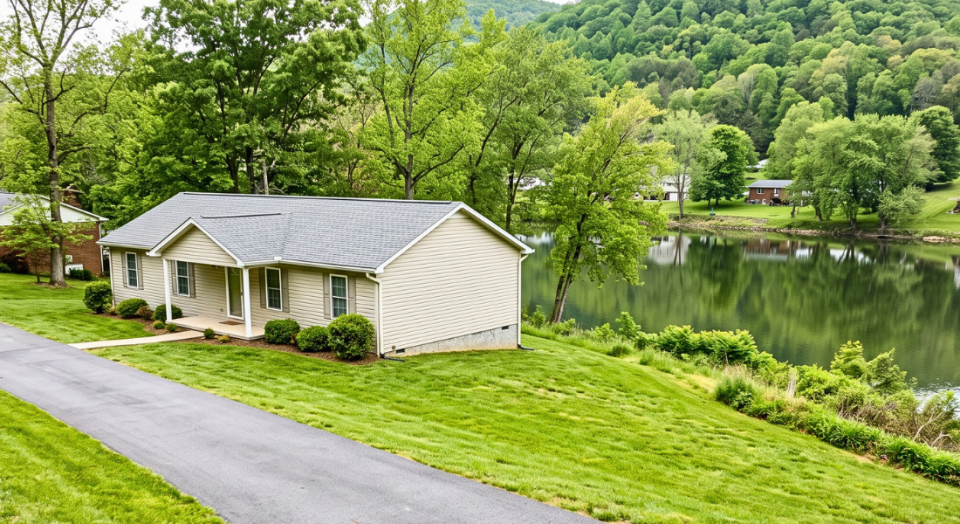
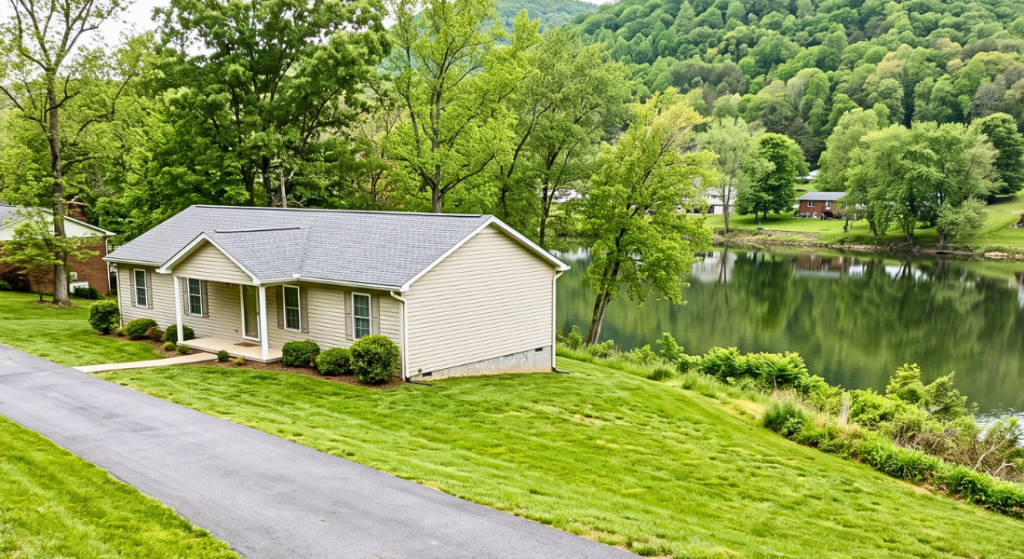
Claytor Lake State Park draws visitors year-round for camping, boating, fishing, and local events. The surrounding Dublin and Pulaski County area has seen growing demand for vacation rentals and weekend getaways. Properties near the lake tend to stay busy from late spring through early fall, especially during peak outdoor season. Demand also continues through autumn and the holidays, with visitors coming for fall colors, hiking, hunting, and quiet mountain retreats.
The key here is finding a property with the right mix of lake proximity, outdoor appeal, and livable charm. Cabins, renovated farmhouses, and even modest ranchers with scenic views can command nightly rates that outpace what you’d earn through traditional long-term leasing. Pulaski County’s lower property tax rates and purchase prices also help the numbers work. Before purchasing, make sure you understand local short-term rental regulations and factor in furnishing, cleaning, and management costs. But for the right property, the return potential is real.
Long-Term Rentals in Giles County Targeting Healthcare and Trades Workers
Giles County is one of the most affordable parts of the New River Valley, creating investor opportunities. Pearisburg and Narrows have steady working renter bases. Many work in healthcare, trades, manufacturing, or commute to Blacksburg and Radford jobs. These tenants stay longer than students, reducing turnover costs and improving predictable cash flow.
Homes in the $140,000 to $200,000 range can generate monthly rents that produce solid cap rates, especially when compared to higher-priced markets closer to Virginia Tech. The tradeoff is that appreciation may be slower, so this strategy works best for investors focused on cash flow rather than rapid equity gains. That said, as housing costs continue to rise in Montgomery County, Giles County is increasingly attractive to renters who are priced out of Blacksburg and Christiansburg but still want to live within a reasonable commute of NRV employment centers.
Fixer-Uppers in Radford’s Historic Neighborhoods
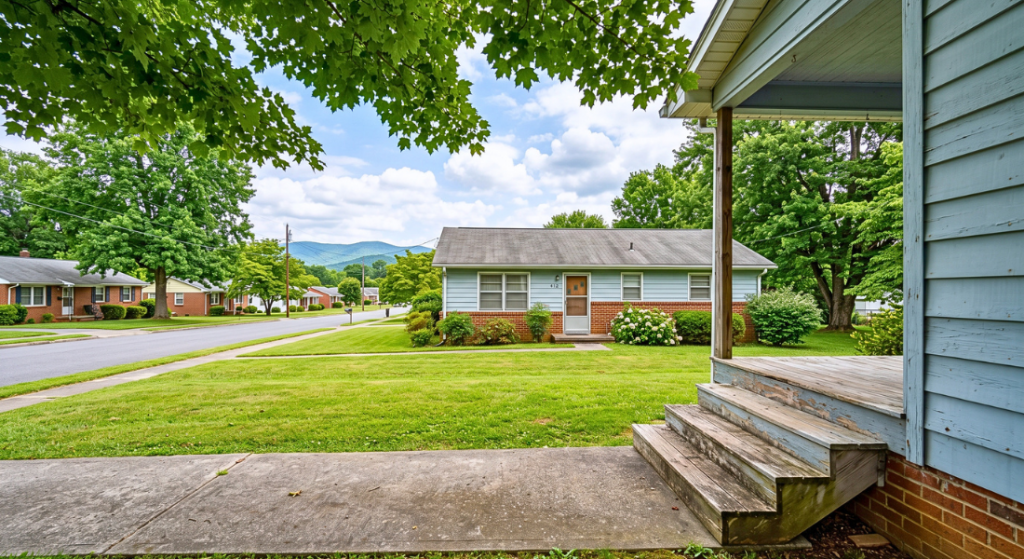
Radford’s older neighborhoods near downtown hold a category of property that value-add investors should pay attention to: older homes. Many homes have a solid structure but need cosmetic or moderate renovation. The city’s walkable downtown has seen new energy in recent years with small business openings and community events, and properties within a few blocks of that core are positioned to benefit from continued revitalization. A well-renovated two- or three-bedroom home attracts renters, young buyers, or potential flip buyers.
The numbers can work particularly well when you’re buying below $175,000 and putting $30,000 to $50,000 into targeted upgrades. Focus upgrades on kitchens, bathrooms, flooring, and curb appeal for the best returns. Renovated homes can be rented at competitive rates or sold at strong profit margins. Radford’s university access, Appalachian character, and improving downtown support strong demand. This makes it a renovation-friendly market often overlooked by larger investors.
Frequently Asked Questions
What is a good cap rate for rental properties in the New River Valley?
In the NRV, many investors target cap rates between 6% and 9%, depending on the property type and location. Properties in Giles County and parts of Pulaski County tend to offer higher cap rates due to lower purchase prices, while Blacksburg-area properties may have lower cap rates but stronger appreciation potential.
Do I need a special permit to operate a short-term rental near Claytor Lake?
Regulations vary by jurisdiction. Pulaski County and the Town of Dublin have their own rules regarding short-term rental permits, zoning, and tax collection. Before purchasing a property for short-term rental use, check with the local planning office to make sure your intended use is allowed and understand any registration or tax requirements.
Is it better to invest near Virginia Tech or Radford University?
Both areas have strong rental demand, but they serve different investment goals. Virginia Tech-area properties typically come with higher purchase prices and stronger appreciation, while Radford University-area properties often have lower entry costs and can produce competitive cash-on-cash returns. Your choice depends on whether you prioritize equity growth or immediate cash flow.
How do I find a reliable property manager in the New River Valley?
Start by asking local real estate agents for referrals, since they work closely with property managers and know who has a strong track record. Look for managers experienced with the specific property type you own. Student rentals, short-term vacation properties, and long-term family rentals each require different management approaches.
Let’s Talk About Your Investment Goals
The Louise Baker Team works closely with buyers across Blacksburg and the surrounding communities. If you want to talk through your plans or get a clearer sense of where to start, feel free to reach out. Use our contact form. You can also explore current listings on our website to start comparing properties in the areas mentioned above. Sometimes seeing what’s available right now is the best way to sharpen your strategy. And if you found this post helpful, share it with a friend or fellow investor who’s been eyeing the NRV market. The more you know about what’s out there, the better positioned you’ll be to act when the right opportunity comes along.