Rent vs. Buy in the New River Valley in 2026: What Makes Sense for You
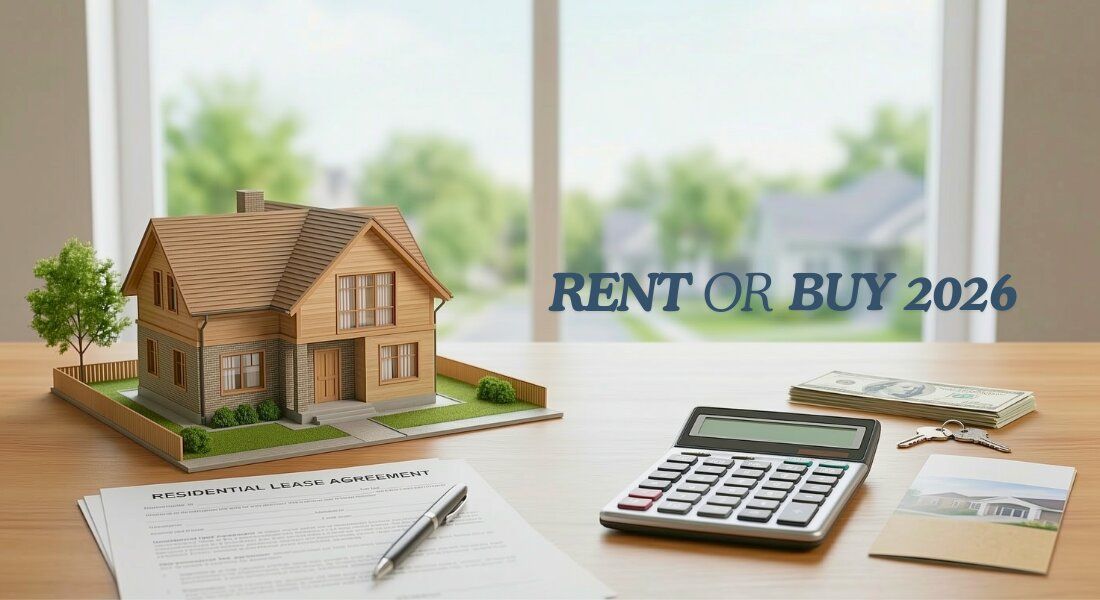
Are you weighing whether to rent vs. buy in the New River Valley? It’s an interesting question for 2026, and the answers may surprise many people.
Blacksburg is one of the few markets in the country where the income gap between buying and renting is remarkably narrow. That means the decision comes down less to pure affordability and more to your timeline, goals, and financial readiness.
Here’s what the data shows and how to think through it for your specific situation.
New River Valley Real Estate Market Watch
As of January 2026, the median price per square foot of homes in Blacksburg was $254. However, NRV real estate trends are always changing. Contact Louise Baker for help buying or selling a home in Virginia’s New River Valley.
What Renting Costs in the NRV Right Now
The NRV rental market is shaped primarily by Virginia Tech’s student and faculty population. That demand supports strong rental prices and keeps vacancy rates low.
As of February 2026, the average rent for an apartment in Blacksburg is $2,327 per month. One-bedroom units average $1,271 per month, two-bedroom apartments average $1,701, and three-bedroom units average $2,388.
Approximately 66% of households in Blacksburg are renter-occupied, reflecting the heavy student and young professional population that drives the rental market. That renter-dominant composition keeps demand for units consistently high, which is good for landlords. However, renters should expect limited negotiating power on price, particularly for well-located units near campus and the BT Bus network.
Rental costs tend to be lower in Christiansburg and Radford. That makes those communities attractive to renters who want proximity to Blacksburg without the prices. The tradeoff is commute time and distance from campus amenities.
The Costs of Buying in the NRV Right Now
The most important number for any buyer to know heading into spring 2026 is the current mortgage rate. According to Freddie Mac’s official Primary Mortgage Market Survey for March 2026, the average 30-year fixed rate is 6%. That rate matters enormously for the monthly payment calculation that underpins the rent vs. buy comparison.
The average home value in Blacksburg is approximately $419,000. A buyer purchasing at that price with a 10% down payment and a 6.00% rate would pay approximately $2,260 in principal and interest per month. This amount is before taxes, insurance, and any HOA fees.
Buyers putting down less than 20% should also factor in private mortgage insurance. That typically adds $100 to $200 per month (sometimes more), depending on the loan and lender. That is a meaningful cost, but the context matters.
Housing in Blacksburg costs 11% below the national average, and the overall cost of living runs 6% below the national average. That means the purchasing power of a Blacksburg buyer stretches further than in comparable university markets.
The Data That Surprises Most People
Here is the figure that changes how most NRV residents think about this decision. The income premium required to afford a typical home over a typical apartment is just 3.2%. That compares to a national income premium of 46.3%. In other words, the financial gap between renting and buying in Blacksburg is extraordinarily small relative to almost every other market in the country.
That data point does not mean buying is automatically the right choice for every NRV resident. It means the financial case for buying in the NRV is stronger than most people realize. Buyers should make the decision based on factors beyond just the monthly payment comparison.
How to Think Through the Decision
The rent vs. buy calculation in the NRV ultimately comes down to three factors:
- The amount of time you plan to live in the home
- Whether you have the down payment and reserves
- Whether your income is stable enough to support a mortgage
If you are planning to stay in the NRV for three or more years, the case for buying becomes considerably stronger. Many forecasts predict Virginia home prices will rise modestly in 2026. Sustained growth is also in many forecasts.
Buying now means building equity in a market with durable structural demand. Renting means you’ll continue to pay someone else’s mortgage in a market where vacancy rates stay low, and rents are climbing.
If you plan to live in the NRV for a shorter time, renting still makes sense. The flexibility of renting has real value, and the transaction costs of buying and selling within a short window can erode the financial benefit. Blacksburg and Christiansburg properties often rent within two to three weeks, so a well-located rental is not hard to find when you need one.
FAQs About Renting vs. Buying in the New River Valley
Is it cheaper to rent or buy in Blacksburg in 2026?
Data shows the income premium to afford a typical home over a typical apartment in Blacksburg is just 3.2%. That makes Blacksburg one of the most financially balanced markets in the country. Whether buying or renting is cheaper depends on your specific down payment, loan terms, and timeline.
What is the average rent in Blacksburg, VA?
The average rent in Blacksburg is $2,327 per month. One-bedroom units average $1,271, and two-bedroom apartments average $1,701. Rents have increased approximately 4% over the past year, reflecting sustained demand from Virginia Tech’s student and employee population.
How much do you need to earn to buy a home in Blacksburg?
That depends on your down payment, loan type, and debt obligations. The Louise Baker Team can connect you with a local lender for a pre-qualification that helps you answer that question.
The NRV Rent vs. Buy Math Favors Buyers More Than You Think
Most people assume renting is the financially conservative choice. In most of the country right now, that assumption holds. In the New River Valley, it is far more nuanced.
Start that conversation with the Louise Baker Team and get a clear picture of what buying versus renting looks like for your specific income, timeline, and goals.