Downsizing in the New River Valley: A Guide for Empty Nesters

Living in a house for twenty or thirty years holds more memories than one can count. You cherish that family home, but it might feel like a bit too much now. You have spare rooms sitting empty, and you’re maintaining spaces no one uses.
Across the NRV, longtime homeowners are rethinking how much space they need. Downsizing isn’t about giving something up. It’s about gaining freedom, flexibility, and a lifestyle that fits.
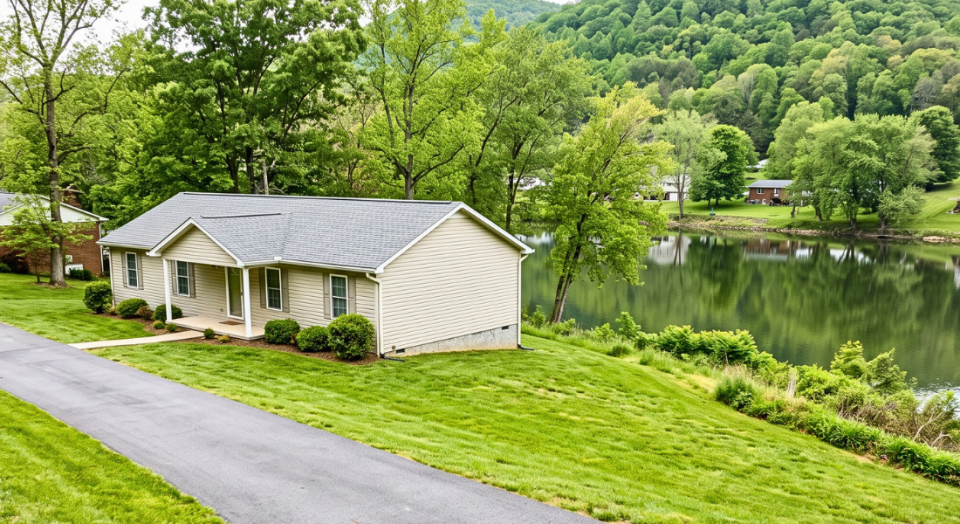
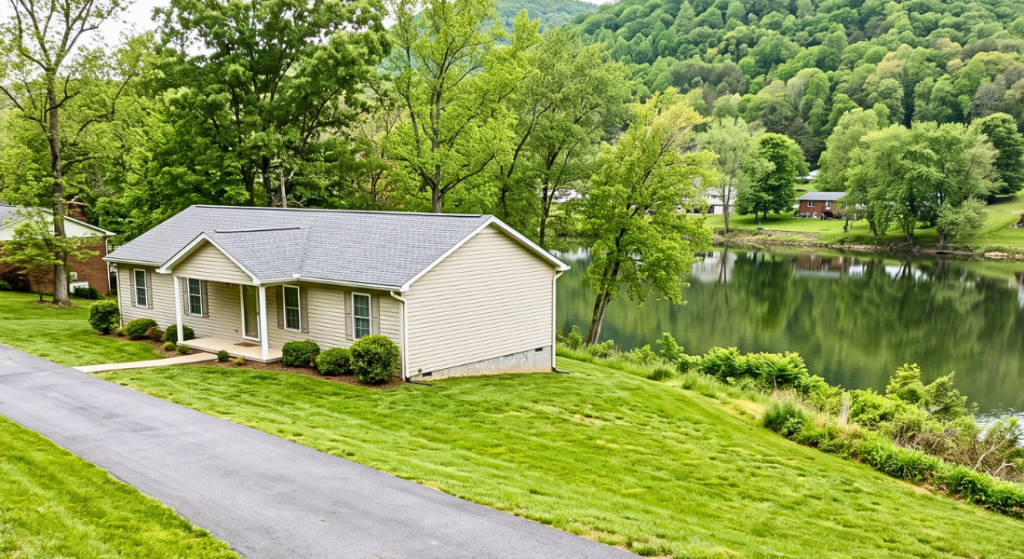
Whether you’re eyeing a townhome in Christiansburg, a cottage near the New River, or a smaller place in Pulaski, the NRV has options. Stay close to the community you love and simplify your daily routine.
NRV Market Snapshot: New River Valley at a Glance 2026
As of late May 2026, the median home price in the Blacksburg, Christiansburg, Radford area is around $295,000. Homes spend roughly 15 days on the market. Inventory remains tight. Well-priced homes attract strong buyer interest from Virginia Tech-connected families.
Where to Downsize in the New River Valley
Christiansburg is popular with empty nesters for its townhomes and patio-style homes with single-level living. The Route 460 corridor offers easy access to shopping, healthcare, and dining. Prices tend to be lower than those closer to Virginia Tech’s campus in Blacksburg.
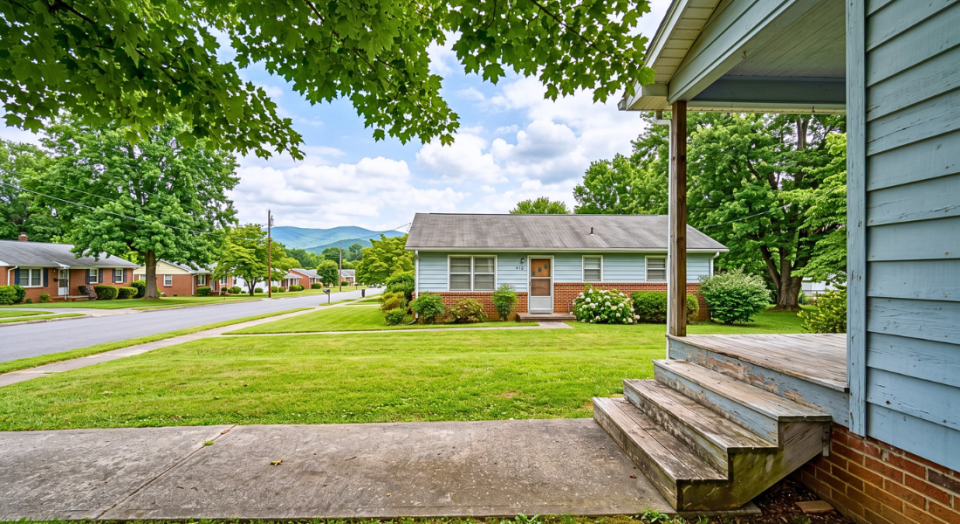
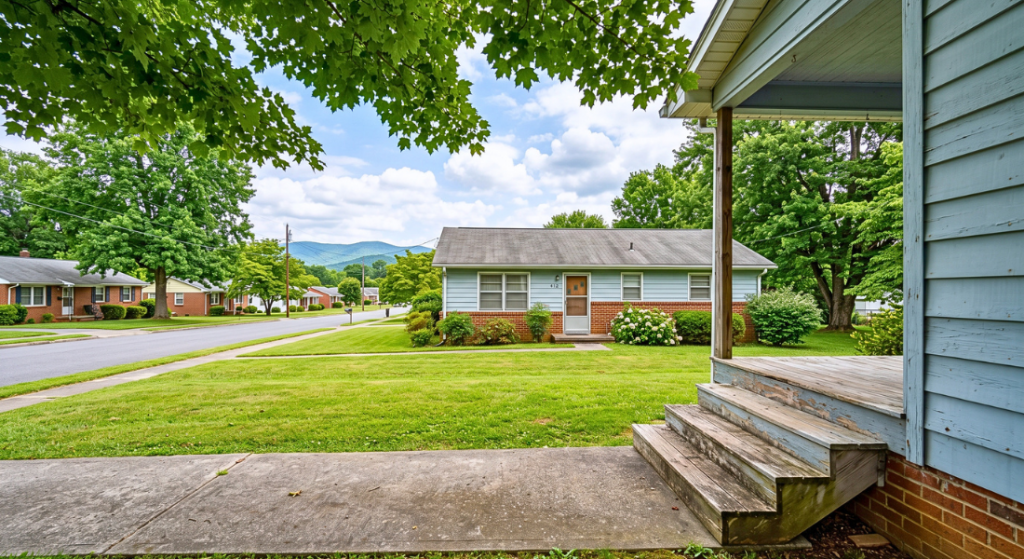
If affordability is a priority, Pulaski County and Dublin offer budget-friendly ranch homes well below the Montgomery County median. Radford is worth exploring if you value walkability and proximity to the New River. Neighborhoods near downtown offer character and convenience in a compact footprint.
For a quieter, more rural feel, areas in Giles County or the outskirts of Floyd offer smaller properties with mountain views. Each community has its own personality. Visit before you commit.
The Financial Side of Right-Sizing Your Home
After owning a home for decades, you’ve likely built substantial equity as NRV property values have appreciated. Selling a larger home and purchasing something smaller can put real money back in your pocket. You can use that money to bolster retirement savings, eliminate a mortgage, or cut monthly costs.
A smaller home also means lower property taxes, reduced utility bills, lower insurance premiums, and cheaper upkeep. Talk to a tax professional about capital gains exclusions on your primary residence. You may shelter a significant portion of your profit if you meet ownership and residency requirements.
Before listing, request a comparative market analysis from a local agent who knows your neighborhood. That number will anchor every decision going forward.
Navigating the Emotional Side of Letting Go
The financial math usually makes sense on paper. The harder part is leaving a home where your family grew up. The height marks on the doorframe. The backyard where the kids played. Those feelings are real and completely valid.
Reframe the move as a choice you’re making for yourself. Sort through belongings room by room over weeks or months, not all at once. Keep what truly matters. Let go of items that are just taking up space. Many empty nesters find that the relief of a right-sized home far outweighs the nostalgia.
Involve your family in the transition. Your children might appreciate a chance to claim sentimental items. Sharing the process can turn a stressful milestone into something you navigate together. Your memories live in you, not in the walls.
Practical Steps to Get Started
- Tour properties in communities that interest you, even if you’re months from listing. Seeing options in person helps define your priorities.
- Tackle small repairs and cosmetic updates now rather than rushing them before a sale. Fresh paint, updated light fixtures, and decluttered spaces attract strong offers.
- Talk to a local real estate agent experienced with NRV downsizing transitions. Coordinating a sale and purchase takes careful timing and logistics guidance.
- Give yourself a realistic timeline. Most empty nesters who take three to six months feel much more satisfied with the outcome.
FAQs About Downsizing in the NRV
What size home should I look for when downsizing in the NRV?
Most empty nesters find 1,000 to 1,500 square feet with two bedrooms and two bathrooms comfortable. A guest room and manageable layout are top priorities. Tour a few floor plans to see what feels right.
Is it better to sell my current home before buying a smaller one?
Selling first gives you a clearer budget and a stronger negotiating position. If timing is a concern, your agent can help explore contingent offers or temporary housing.
What are the most affordable NRV towns for downsizing?
Pulaski and Dublin consistently offer the lowest price points for smaller homes and ranch-style properties. Giles County communities like Pearisburg and Narrows suit those preferring a quieter, rural setting.
How do I know if my current home will sell quickly in today’s market?
Larger family homes in good condition are in demand across the NRV, particularly in Blacksburg and Christiansburg. A comparative market analysis from a local agent provides a realistic value estimate and an expected time on the market.
Ready to Explore Your Options?
The Louise Baker Team helps longtime homeowners navigate the transition to a right-sized home across Blacksburg and surrounding communities. Reach out to talk through your plans. You can also request a no-obligation home valuation to see what your property might be worth today.