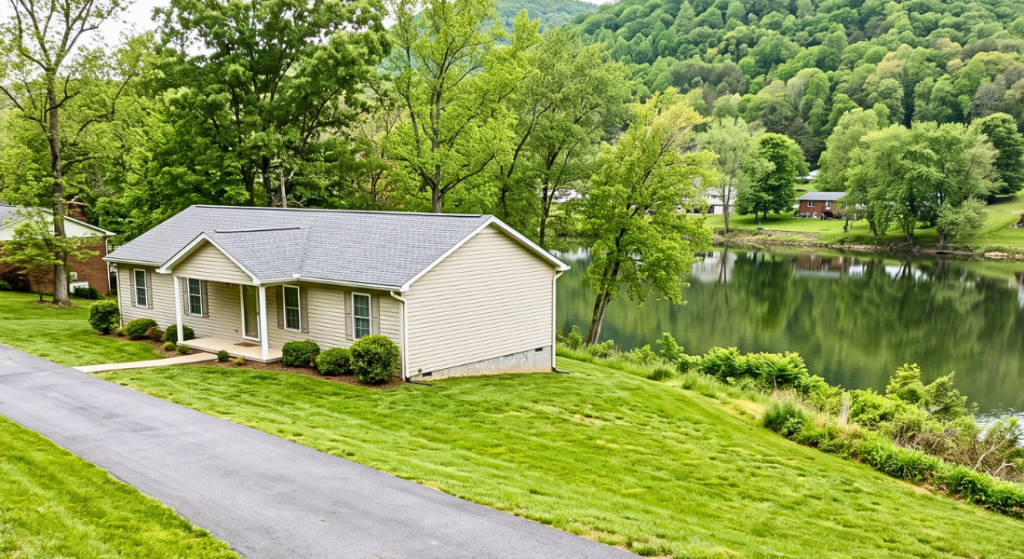
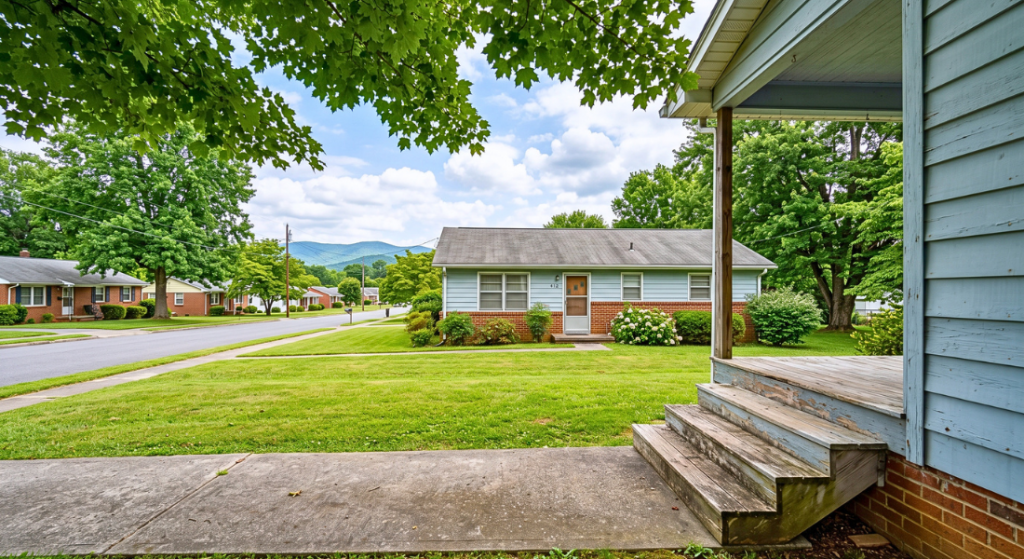
Historic Homes in the NRV: Charm, Challenges, and Hidden Costs
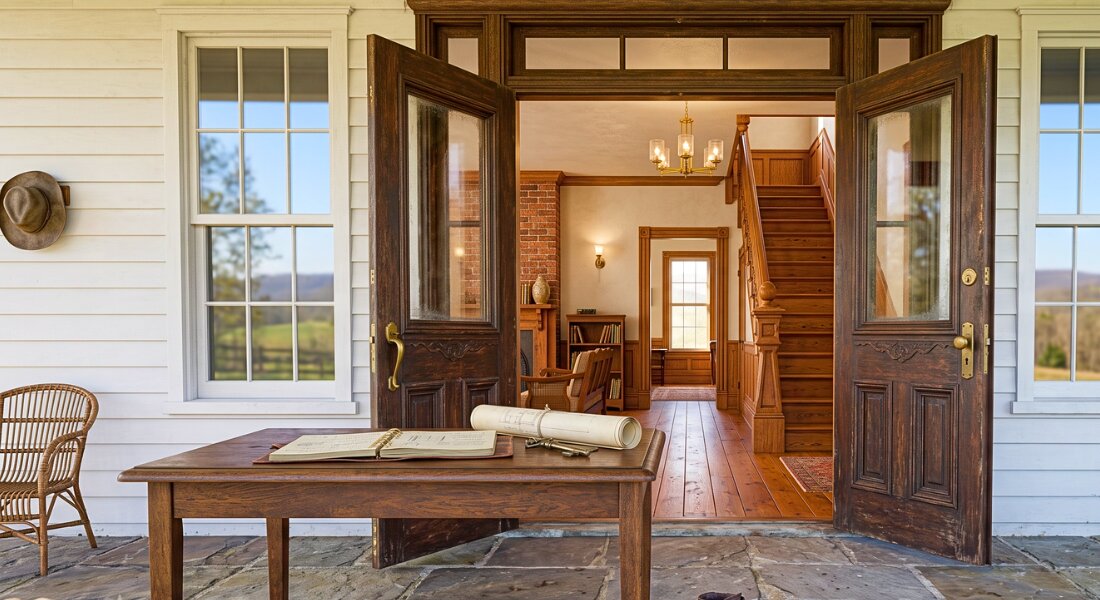
Historic homes have a way of capturing your attention with timeless details and unmistakable character. Throughout the New River Valley, places like Pearisburg, Dublin, and Floyd are home to beautiful properties that blend history with everyday living.
While these homes offer plenty of charm, they also come with unique considerations. Before you make an offer, it’s worth understanding what to expect, from inspections and maintenance to budgeting for the years ahead.
NRV Market Snapshot: Montgomery County
As of June 2026, the New River Valley market was becoming more balanced. More homes were hitting the market, and buyers were gaining a bit more choice. Christiansburg remained fast-moving at around a 2-week market time, while Pulaski and Dublin offered lower entry prices and more room for negotiation.
Why Historic NRV Homes Are So Appealing
The New River Valley’s architecture reflects its Appalachian roots. You’ll find Victorian-era farmhouses, Craftsman bungalows, and Federal-style homes throughout the region. Many of these homes sit on larger lots with mature trees and established gardens. These details are hard to find in newer construction.
Floyd’s creative community adds another layer to the local housing stock. Older homes there often feature original woodwork, built-in shelving, and stonework that local artisans still value. Pearisburg and Dublin offer similar character, with homes reflecting early 20th-century construction. That craftsmanship is a real draw for buyers who want quality materials.
Beyond their look, these homes often sit in walkable downtown areas. You could be steps from local shops, restaurants, and community events. That kind of location is getting harder to find in newer suburban developments across the NRV.
Inspection Red Flags You Should Not Ignore
Every older home deserves a thorough inspection, and the NRV has some region-specific concerns to watch for. These homes often rest on charming stacked stone or solid unfinished block foundations, reflecting timeless craftsmanship. Some settling is normal, and shifting is expected over the decades. But significant cracks or bowing walls point to structural issues that could cost tens of thousands to fix.
Roofing deserves close attention too. Many historic homes in the NRV have been re-roofed more than once. Layers of old shingles can hide decking that’s quietly deteriorating underneath. Ask your inspector to check the roof structure, not just the surface material. Attics deserve a closer look to check for water damage, especially in homes where ventilation may not have been updated over the years.
Electrical and plumbing systems are well worth reviewing in pre-1960s homes to ensure they meet today’s needs. Knob-and-tube wiring, galvanized steel pipes, and outdated panels show up often. These systems may still work, but they carry real safety risks. They can also make it harder to get standard homeowners insurance. A qualified inspector who knows older NRV homes is worth every dollar.
Insurance and Renovation Realities
Insuring a historic home in Virginia can be more complicated than insuring a newer property. Some carriers won’t cover homes with outdated electrical, plumbing, or heating systems. Others may require those systems be brought up to code before issuing a policy. Get insurance quotes before you finalize your purchase offer.
Replacement cost coverage is another factor worth checking closely. Rebuilding with period-appropriate materials costs significantly more than standard construction. If your policy only covers actual cash value, you could face a major shortfall after a fire or storm. Ask your agent about specialty historic home coverage options in Virginia.
Renovation costs can also surprise first-time buyers of older NRV homes. Contractor availability in rural parts of the valley is limited. Tradespeople who understand historic preservation techniques are even harder to find. Budget at least 10 to 20 percent above initial estimates for surprises behind the walls. Plaster repair, lead paint remediation, and asbestos abatement are all possibilities in pre-1970 homes.
Preserving What Makes the Home Special
One of the biggest decisions you’ll face is choosing what to preserve and what to update. Original hardwood floors, pocket doors, and decorative trim add real value. Stripping or replacing these features often costs the home its character and appeal. Whenever you can, refinish rather than replace.
Good news: Virginia offers tax incentives for rehabilitating certified historic structures. The state’s rehabilitation tax credit can cover up to 25 percent of eligible expenses. Check with the Virginia Department of Historic Resources to see if you qualify. Not every older home meets the criteria, but it’s worth checking before you start.
Working with a local architect or contractor who knows older NRV homes makes a real difference. They can help you blend modern comfort with historic integrity. Upgrading insulation, adding efficient HVAC, and refreshing kitchens can all be done thoughtfully. The goal is a home that feels timeless, comfortable, and ready for your family.
FAQs About Buying Historic Homes in the NRV
Are historic homes in the NRV more expensive to maintain than newer ones?
Generally, yes. Older systems require more frequent attention, and period-appropriate repairs cost more than standard fixes. Budgeting for ongoing maintenance is important when buying a pre-1960s home in the region.
Do I need a special inspection for a historic home in Virginia?
A standard home inspection is a starting point, but you may also need specialists. Structural engineers, electricians familiar with older wiring, and environmental inspectors for lead or asbestos are all worth considering.
Can I get financing for a home that needs significant renovations?
Yes. FHA 203(k) loans and Fannie Mae HomeStyle loans allow you to finance both the purchase and renovation. Talk with a local lender who understands these programs and has worked with NRV buyers before.
Which NRV towns have the most historic homes available?
Pearisburg, Dublin, Radford, and Floyd all have concentrations of older housing stock. Christiansburg’s downtown area also features several historic properties. Availability shifts throughout the year, so working with a knowledgeable local agent helps.
Ready to Explore Historic Homes in the New River Valley?
The Louise Baker Team works closely with buyers across Blacksburg and the surrounding communities. If you want to talk through your plans or get a clearer sense of where to start, feel free to reach out.