How NRV Homeowners Can Use ADUs to Generate Income
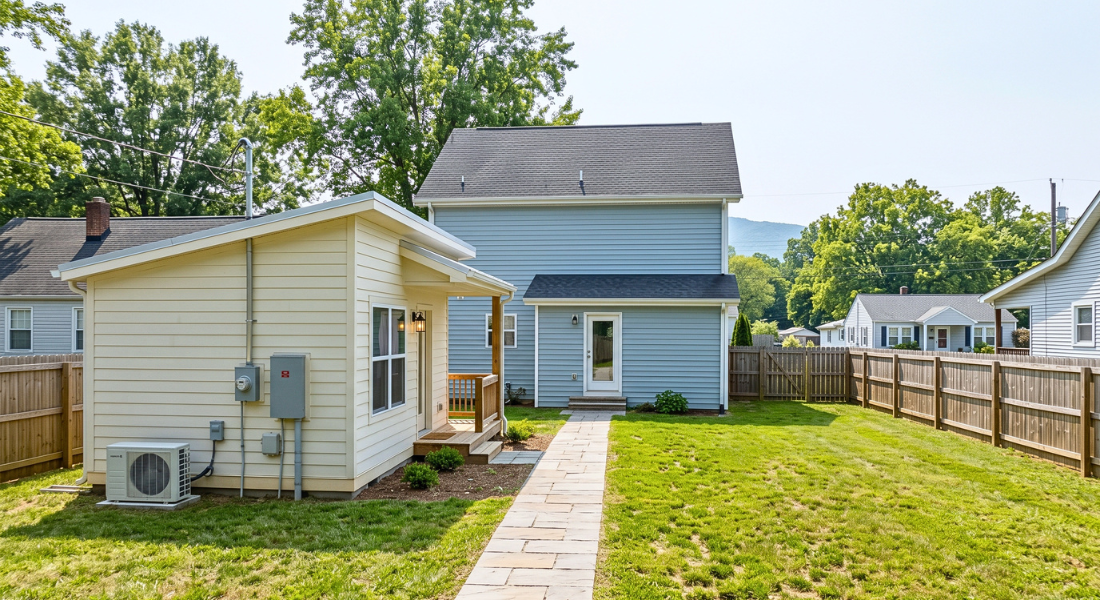
Accessory dwelling units, commonly called ADUs, are becoming more common across the New River Valley. Homeowners in Blacksburg, Christiansburg, and Radford are exploring how a backyard cottage or garage apartment can generate rental income. With strong rental demand in parts of the NRV, ADUs can offer another way to use existing property space. Whether you are a longtime NRV homeowner with unused space or a buyer considering investment potential, the concept is worth understanding.
Local zoning rules, construction costs, and rental demand all affect whether an ADU makes financial sense. Converting existing space may be an option in some situations, while others may allow new construction. The rules vary by locality, so understanding the requirements is an important first step.
NRV Market Snapshot
Christiansburg’s housing market remains active in 2026, with a median sale price of about $332,000. The median rent is approximately $1,750 per month. For homeowners considering an ADU, local home values and rental rates provide useful context for evaluating the property’s income potential.
Why ADUs Make Sense in the NRV
The New River Valley has several factors that can support interest in ADUs. Virginia Tech contributes to year-round rental demand in Blacksburg and surrounding communities. Graduate students, researchers, and university staff can create demand for smaller rental units near campus.
Many NRV homeowners also have properties with additional space. Older homes may sit on larger lots, while garages and unfinished basements may offer potential conversion opportunities. Whether that space can become an ADU depends on local zoning, building requirements, and the property’s layout.
For homeowners approaching retirement or seeking additional income, an ADU can create rental potential without purchasing a separate investment property. It can also put underused space on an existing property to work.
Local Zoning Rules Across the Region
Before you start drawing up plans, zoning is the first thing to research. ADU regulations vary across Montgomery County, Blacksburg, Christiansburg, and Radford. Each jurisdiction has its own rules about where accessory units are permitted and how they can be used.
In Blacksburg, accessory apartments are allowed in certain zoning districts, with specific requirements for the property and owner occupancy. The town also requires an accessory apartment permit.
Christiansburg’s zoning requirements depend on the property’s zoning designation. Homeowners can use the town’s zoning map and GeoWeb tools to identify their property’s zoning and review applicable requirements.
Radford has its own zoning requirements, and its current accessory-building rules generally prohibit using accessory buildings as dwellings. Homeowners should confirm the applicable rules with the city’s Community Development Department before planning an ADU.
Because zoning rules can vary by property, checking the applicable regulations before designing or budgeting for an ADU can help avoid costly surprises.
Breaking Down Construction Costs
ADU costs in the New River Valley depend on the type, size, and scope of the project. Converting an existing garage or basement can be more affordable than building a new unit. Costs can vary significantly based on the existing structure, finishes, utilities, and code requirements.
A new detached unit typically requires additional costs for site preparation, foundation work, utilities, and construction. Size and materials also have a major impact on the final price. Permitting, architectural, and engineering fees add to the overall project cost. Prefabricated or modular units may offer another option, although site work and installation still affect the total cost.
Before choosing a builder, get at least three detailed estimates that account for the full project scope. An ADU may also contribute to your property’s value, depending on its location, quality, legality, and market appeal.
Effective Ways to Maximize Your Rental Income
An ADU can serve different renters depending on its location, size, and features. Long-term leases can appeal to graduate students, university staff, and young professionals seeking housing near Blacksburg and Christiansburg. A 12-month lease can also reduce turnover compared with shorter rental arrangements.
Medium-term rentals offer another option for furnished units. These can appeal to professionals, visiting faculty, or others needing housing for several months. The right rental period depends on local demand and the property’s location.
Short-term rentals are another possibility in some parts of the NRV, but local rules vary. Montgomery County regulates short-term tourist rentals in its unincorporated areas. Blacksburg’s accessory apartment program does not allow registered units to operate as homestays or other short-term rentals.
The best rental strategy depends on demand in your neighborhood. Before choosing a rental model, confirm the requirements that apply to your property.
Common Questions About NRV ADUs
Do I need a special permit to build an ADU in Blacksburg?
Yes. You will need the applicable building permits and an accessory apartment permit. Zoning eligibility and other requirements also apply, so confirm your property’s eligibility with the Town of Blacksburg before starting work. Requirements can vary depending on the property’s zoning district and the type of ADU you plan to create.
How much rental income can an ADU generate in the New River Valley?
Rental income varies based on location, size, condition, furnishings, and lease length. Long-term, medium-term, and short-term rentals can produce different rates, where permitted. Comparing similar rental units in your area can give you a more realistic estimate of potential income.
Can I use my ADU as a short-term rental near Virginia Tech?
Short-term rental rules vary by jurisdiction in the NRV. Blacksburg’s accessory apartment program does not allow registered accessory apartments to operate as homestays or other short-term rentals. Check the rules for your specific property before listing a unit.
Will building an ADU increase my property value in Montgomery County?
An ADU can increase your property’s value, but the impact depends on its legality, quality, and local buyer demand. Construction costs do not automatically equal added appraised value. For more details, see this guide on reading NRV home appraisals. Ultimately, a legal, well-designed unit adds flexibility and appeals to buyers seeking rental or guest space.
Ready to Unlock Your Property’s Potential?
An ADU can be an appealing way to make better use of your property. Before moving forward, it helps to understand what your property can realistically support.
If you are considering an ADU, schedule a property evaluation with the Louise Baker Team. We can help you assess your property’s potential, review comparable rental income, and identify the next steps.