Flood Zone Maps Every New River Home Buyer Should Check
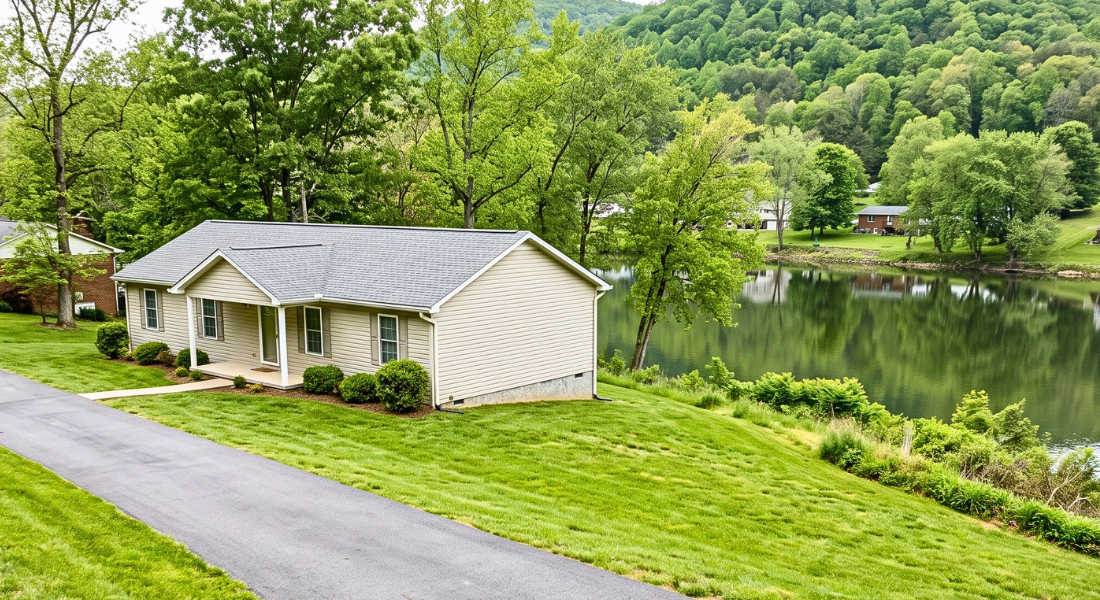
If you’re buying a home near the New River, flood zone maps deserve attention before making an offer. FEMA flood zone designations can affect insurance costs, mortgage requirements, and your overall buying budget. Some properties in the New River Valley may also face updated flood zone classifications. Understanding these maps early helps you avoid surprises and make a more informed purchase.
NRV Market Snapshot
As of mid-September 2026, Blacksburg’s median sale price was about $497,000, with homes selling in a median of 23 days. Limited inventory gives buyers fewer choices in some price ranges. For homes near the New River, early flood-zone research can help buyers understand insurance, financing, and overall costs before making an offer.
FEMA Flood Zone Maps, SFHAs and Flood Risk
FEMA creates Flood Insurance Rate Maps, or FIRMs, to identify areas at risk of flooding. These maps divide areas into zones based on their flood hazard and likelihood of flooding.
The most important designation for buyers is the Special Flood Hazard Area, or SFHA. It’s sometimes called the 100-year floodplain, though that name is misleading.
A 100-year flood zone doesn’t mean flooding happens once a century. It means there’s a one percent chance of flooding in any given year. Over a 30-year mortgage, that adds up to roughly a 26 percent chance of at least one flood event.
FEMA updates maps when new data, physical changes, or improved flood studies change the understanding of flood risk. Always check the current map before making a purchase decision.
Impact on Home Values and Insurance Costs
Flood risk can affect what you pay beyond the purchase price. If a home falls within an SFHA, federally regulated lenders generally require flood insurance as a condition of the loan. Standard homeowners insurance generally does not cover flood damage, so separate flood coverage may be needed.
Through the National Flood Insurance Program, premiums vary based on each property’s flood risk. FEMA’s Risk Rating 2.0 pricing methodology uses detailed property-level data to calculate premiums. Factors can include:
- Distance to a flooding source
- Ground elevation
- First-floor height
- Foundation and construction type
- Replacement cost
Premiums can vary significantly between properties, even when homes are relatively close together. Flood risk can also factor into a property’s resale appeal. Buyers may consider insurance costs and potential flood exposure when comparing homes.
Knowing where the flood zone boundary falls helps you evaluate the property’s flood risk and potential costs.
Mortgage Requirements and Financing Implications
Federal law requires federally regulated lenders to determine whether a property is in an SFHA. If it is, flood insurance generally must be in place as a condition of the loan.
USDA buyers should check flood-zone status early when considering eligible rural properties in Giles County. If the property falls within an SFHA, budget for flood insurance along with your other housing costs. Discovering this requirement late in the process can delay or even derail a closing.
You can also buy flood insurance if your property sits outside the SFHA. Eligible properties in moderate- or minimal-risk zones may qualify for a lower-cost Preferred Risk Policy.
4 Essential Flood Checks Before Making an Offer
1. Check the current FEMA flood map
Start by looking up the property’s flood zone status on FEMA’s online map tool. Enter the address and review the current FIRM panel. Pay close attention to designations like AE, A, and X. Zones beginning with A are generally within the SFHA. Zone X can indicate moderate or minimal flood hazard, depending on whether it is shaded or unshaded.
2. Ask about map amendments
Ask your real estate agent about recent map amendments or revisions in the area. FEMA can issue Letters of Map Amendment, or LOMAs, that remove eligible properties or portions of properties from the SFHA. If a previous owner obtained a LOMA, the property may no longer be subject to the federal mandatory flood-insurance requirement. This can be true even if nearby parcels remain in the SFHA.
3. Request an elevation certificate
Request an elevation certificate if one is available. It documents the property’s elevation and other information relevant to its flood zone. It can also provide useful information when discussing flood insurance with an agent.
4. Get a flood insurance quote
Get a flood insurance quote before your offer is finalized. Knowing the annual cost helps you budget for the property’s ongoing expenses.
What NRV Homebuyers Ask About Flood Zones
How do I know if a home near the New River is in a flood zone?
Visit FEMA’s Flood Map Service Center and search the property address. The map shows the flood zone designation for that location. Your real estate agent can also help interpret the results.
Is flood insurance required for all homes near the New River?
Flood insurance is generally required for federally backed mortgages on buildings in an SFHA within an NFIP-participating community. Flood insurance may also be available for properties outside the SFHA, even when it is not federally required.
How much does flood insurance cost for homes in the New River Valley?
Costs vary widely depending on the property’s risk profile under FEMA’s Risk Rating 2.0 system. Your insurance agent can provide a quote based on the specific property.
Can a property be removed from the flood zone after a map update?
Yes. If you believe a property was incorrectly mapped within an SFHA, you may request a Letter of Map Amendment through FEMA. This requires supporting survey and elevation data. A successful LOMA can remove the federal mandatory flood-insurance requirement, although a lender may still require coverage.
Get Expert Guidance Before You Make an Offer
Flood zone questions can affect more than insurance. They can also influence financing, monthly costs, and how you evaluate a property.
The Louise Baker Team works with buyers across Blacksburg and the surrounding communities. If you’re considering a home near the New River, the team can help you understand the property and the questions worth asking before you make an offer.
Contact the Louise Baker Team to talk through your plans or explore current listings along the New River corridor. Share this guide with someone considering a home near the water.