Tax Benefits Virginia Homeowners Often Overlook
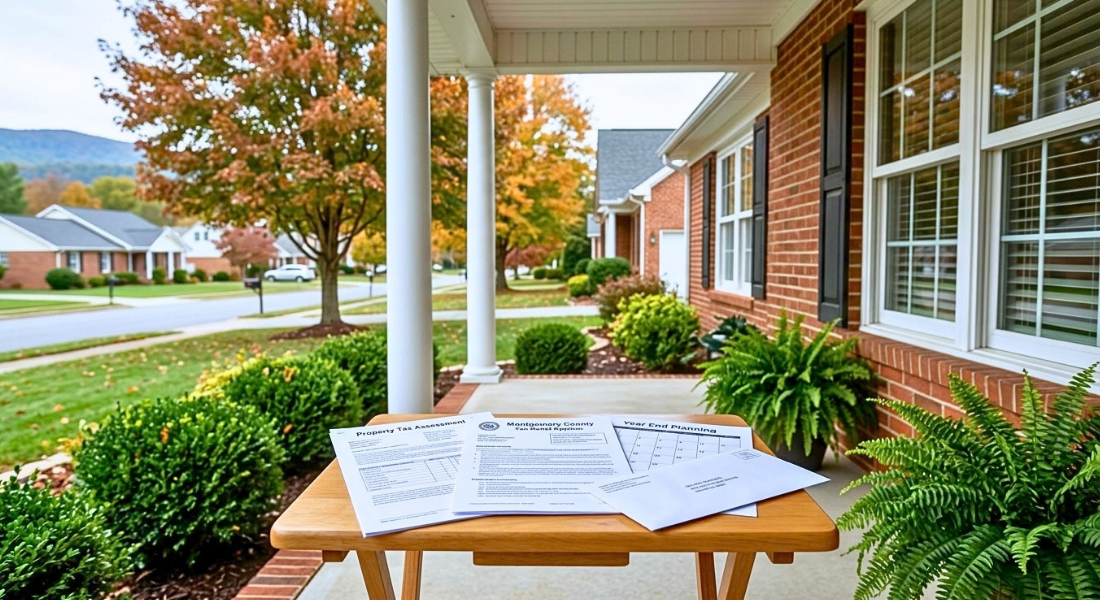
Tax planning may not be exciting, but overlooking available homeowner benefits can mean missing valuable savings. Virginia offers property tax relief programs, exemptions, and other tax benefits that may apply to homeowners.
Whether you recently purchased your first home in Christiansburg or have lived in Giles County for decades, certain benefits may apply to you. Local and state programs have different eligibility requirements, so knowing what is available can help you determine whether you qualify. With year-end tax planning on the horizon, now is a good time to review what you might be missing.
This guide covers homeowner tax benefits relevant to residents of Montgomery, Pulaski, and Giles counties. We will walk through property tax relief, exemptions, and other deductions or credits that may apply. Some benefits have specific deadlines or eligibility requirements, so reviewing the details early can help you plan.
NRV Market Snapshot
As of August 2026, Pulaski County’s median sale price was $284,049, up 3.7% from the same period last year. Homes sold in a median of 25 days, compared with 52 days a year earlier. Rising property values make it worth reviewing available tax relief programs and exemptions. Eligibility varies by program and individual circumstances.
Understanding Local Property Tax Relief
Virginia law allows localities to offer property tax relief for qualifying elderly and disabled homeowners. Programs vary by jurisdiction, including their income, asset, age, and residency requirements. Virginia also provides a separate real estate tax exemption for qualifying disabled veterans and certain surviving spouses.
Montgomery County’s Tax Relief Program for Senior and Disabled Citizens provides relief to qualifying homeowners age 65 or older or permanently and totally disabled. Pulaski County offers an Elderly and Disabled Tax Relief Program, while the City of Radford has its own Real Estate Tax Relief Program. Each program has its own eligibility requirements and filing deadlines.
The application process matters because these benefits are generally not automatic. Homeowners should check with their local Commissioner of the Revenue for current requirements and deadlines. If you qualify, applying on time can help you access available tax relief.
Disabled Veteran and Surviving Spouse Exemptions
Virginia offers a full real estate tax exemption for qualifying veterans with a 100% service-connected, permanent, and total disability. The exemption can also apply to an eligible surviving spouse who does not remarry.
The veteran must occupy the property as their principal residence. The exemption covers the qualifying dwelling and generally up to one acre of land. In Montgomery County, the 2026 real estate tax rate is $0.81 per $100 of assessed value. A home assessed at $300,000 would otherwise generate about $2,430 in annual county real estate taxes.
Eligible veterans and surviving spouses must file with their local Commissioner of the Revenue. Veterans need documentation from the U.S. Department of Veterans Affairs confirming the qualifying disability rating. Requirements for surviving spouses include additional eligibility conditions, so check with your locality before applying.
Energy Tax Credits for 2025 Home Improvements
Homeowners who made qualifying energy improvements during 2025 may still be able to claim federal tax credits when filing their 2025 returns. The Residential Clean Energy Credit covered qualifying solar energy installations. The Energy Efficient Home Improvement Credit covered improvements such as heat pumps, insulation, and energy-efficient windows.
For qualifying 2025 improvements, both credits generally provided a 30% credit, subject to different eligibility requirements and limits. The Energy Efficient Home Improvement Credit had annual limits that varied by improvement. The Residential Clean Energy Credit applied to qualifying clean energy installations.
Keep receipts, manufacturer certifications, and other documentation for qualifying improvements. Federal rules changed for 2026, so verify that your improvement qualifies before claiming a credit.
Homeowner Deductions Worth Reviewing
Beyond the programs listed above, some federal deductions may also benefit NRV homeowners. If you itemize your federal return, you may be able to deduct qualifying mortgage interest and state and local taxes (SALT), including property taxes. The SALT deduction is subject to federal limits and other rules. First-time buyers can also explore Virginia homebuyer programs and tax credits.
Compare your allowable itemized deductions with the standard deduction each year. Homeowners with significant mortgage interest, property taxes, or other deductible expenses may find that itemizing provides a larger deduction.
The federal home office deduction can also apply to qualifying self-employed individuals and business owners. Employees generally cannot claim the federal deduction for working from home. Qualifying business use must meet specific IRS requirements, including regular and exclusive use of the space.
Virginia Homeowner Tax Questions Answered
Do I automatically receive property tax relief in Virginia when I turn 65?
No. You generally must apply through your local Commissioner of the Revenue. Each locality sets its own eligibility requirements, income limits, and deadlines. Turning 65 alone does not guarantee property tax relief.
Can I claim the disabled veteran property tax exemption in Montgomery County?
You may qualify if you have a 100% service-connected, permanent, and total disability and occupy the property as your principal residence. You must provide the required VA documentation to the Montgomery County Commissioner of the Revenue.
What energy-efficient upgrades qualified for federal tax credits in 2025?
Qualifying 2025 improvements included certain heat pumps, insulation, energy-efficient windows, water heaters, solar installations, and other eligible upgrades. The applicable credit depended on the type of improvement and its eligibility requirements. Federal rules changed for 2026, so homeowners should verify that a 2025 improvement qualifies before claiming a credit.
Is it worth itemizing deductions as an NRV homeowner instead of taking the standard deduction?
It depends on your allowable deductions. Mortgage interest, qualifying property taxes, and other itemized deductions may make itemizing worthwhile. Compare your total allowable itemized deductions with the standard deduction each year before filing.
Get Expert Guidance on Your Property Decisions
Understanding available tax benefits can help you plan more confidently as a homeowner. The same applies when you’re preparing to buy, sell, or make a major decision about your property.
The Louise Baker Team helps buyers and homeowners navigate the financial and practical considerations that come with owning property in the NRV. Considering your next move or want to understand your options better? Contact the Louise Baker Team to start the conversation.