How Virginia Tech’s Graduate Housing Shortage Quietly Benefits NRV Landlords
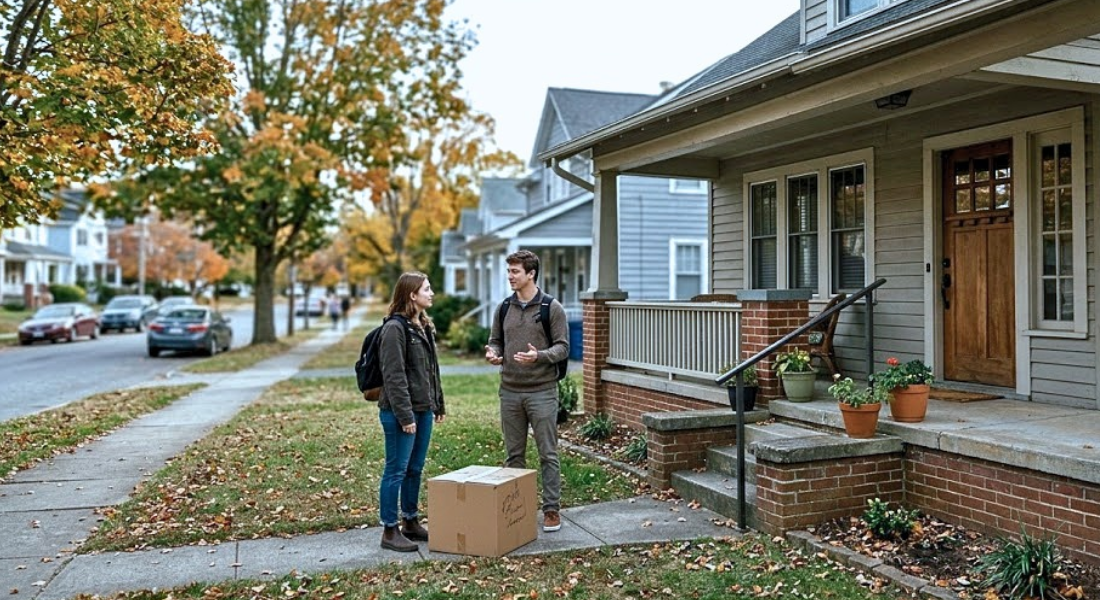
Virginia Tech enrolls thousands of graduate students, but on-campus housing options remain limited. Students who cannot secure university housing may need to look off-campus. For NRV landlords, that creates a potential source of rental demand.
Graduate students may offer a different tenant profile than undergraduates. Some stay in the area for multiple years while completing their degrees, potentially reducing landlord turnover. For investors considering rental property near Blacksburg, understanding where graduate students need housing and which properties suit their needs can help guide purchasing decisions.
NRV Market Snapshot
As of October 2026, Montgomery County’s median listing price is $426,000, down 1.02% year over year. Homes spend a median of 65 days on the market, up 25% from last year. The median monthly rent is $1,900, up 8.89% year over year. The county has 486 active listings, down slightly from the previous year. These figures point to a slower sales market alongside rising rental prices.
Virginia Tech’s overall enrollment reached 39,213 students in fall 2026, providing additional context for housing demand across the region.
The Graduate Housing Gap Is Creating Opportunity
Virginia Tech’s Graduate Life Center offers single- and double-occupancy rooms for graduate students, but no family housing. Students relocating with partners or children must find other arrangements. The university directs these students to its off-campus housing resources.
That creates potential demand for rentals that accommodate different household sizes. A graduate student living alone may need a smaller apartment close to campus. Someone relocating with a partner or family may need additional bedrooms and living space. Properties with practical layouts, reliable internet, convenient parking, and access to transportation may appeal to these renters.
Graduate students also have different budgets and housing priorities depending on their programs, funding, and household arrangements. Some may prioritize proximity to campus or research facilities, while others may consider affordability and access to everyday services. Landlords who understand these differences can evaluate which property types and locations are best positioned to attract graduate renters.
NRV Neighborhoods Worth Exploring
Graduate renters may look beyond central Blacksburg when searching for housing. Location, commute, rental costs, and property type can all influence their choices. Several NRV areas offer different advantages for landlords evaluating this market.
- North Main Street Corridor, Blacksburg: Properties along North Main Street offer access to downtown Blacksburg and Virginia Tech. Smaller apartments and two-bedroom units may appeal to graduate students seeking convenient campus access.
- Northern Christiansburg: Areas near the Route 460 corridor provide an alternative to central Blacksburg. Christiansburg generally has lower listing prices, which may give investors a lower acquisition cost. Landlords should compare commute times and achievable rents for each property.
- Prices Fork and McCoy Road: These areas offer residential settings west and southwest of campus. Single-family homes with multiple bedrooms may suit graduate students relocating with partners or families. Investors should assess whether local rents support the higher costs of maintaining larger properties.
- Radford and Fairlawn: These areas give investors access to rental markets associated with both Virginia Tech and Radford University. Properties may appeal to renters connected to either institution, although demand should be evaluated separately for each location.
Purchase price and rental income vary considerably by property type and location. Investors should compare recent sales with actual rental listings and account for taxes, insurance, maintenance, vacancy, and financing costs before estimating returns. For those considering other property types and locations, explore five overlooked rental investment opportunities across the NRV.
Building a Rental Strategy Around Graduate Tenants
Some graduate students remain in Blacksburg for several years while completing advanced degrees. When they stay in the same rental, landlords may benefit from fewer turnovers, less frequent marketing, and reduced vacancy between tenants. Actual tenancy length depends on individual circumstances and program requirements.
Landlords can reach prospective graduate renters through Virginia Tech’s Off-Campus Housing website, which allows property owners to post listings and manage leads. Listing descriptions should clearly communicate lease terms, parking availability, internet access, and proximity to campus. These details help prospective tenants assess whether a property meets their needs.
Lease flexibility may also help landlords appeal to graduate renters. Some students follow academic calendars, while others have research appointments, internships, or funding arrangements that affect their housing timelines. Offering clearly defined renewal options and reasonable lease terms can make a property more attractive to renters planning their next several years in Blacksburg.
Positioning Your Investment for 2027 and Beyond
Virginia Tech’s Graduate School strategic plan for 2026–2030 emphasizes strengthening graduate education, research, and recruitment. These priorities could support future housing demand across the New River Valley. However, enrollment trends and university growth plans do not guarantee increased demand for private rentals. Investors should evaluate local rental conditions alongside the university’s longer-term direction.
For prospective buyers, the next step is to compare properties in the areas discussed above. Evaluate acquisition costs, achievable rents, property condition, and access to campus and everyday services. Consider whether the property’s layout and lease terms suit graduate renters. A purchase should make financial sense based on current market conditions, with potential future demand providing additional context. For more on rental income, financing, and returns, read our guide to buying your first NRV investment property.
Current landlords can review their properties with the same criteria. Consider whether targeted improvements could make a rental more competitive or reduce operating costs. Before investing in upgrades, compare the expected expense with potential rent increases, maintenance savings, and tenant demand.
What Investors Ask About Graduate Student Housing
What is driving off-campus housing demand among Virginia Tech graduate students?
Virginia Tech offers limited on-campus housing for graduate students through the Graduate Life Center at Donaldson Brown. The facility does not accommodate families, and available spaces are subject to a waitlist. Students who cannot secure university housing must consider private rentals and other off-campus arrangements.
Which NRV neighborhoods should investors consider for graduate rentals?
Blacksburg, Christiansburg, Prices Fork, and parts of the Radford area offer different rental opportunities. Investors should compare purchase prices, achievable rents, commute times, and competing properties before choosing a location. No single neighborhood guarantees stronger returns.
How long do graduate student tenants typically stay in a rental?
Rental tenure varies by degree program, personal circumstances, and housing needs. Some graduate students remain in Blacksburg for several years, while others relocate sooner. Landlords should evaluate lease terms and renewal potential without assuming a student’s degree timeline determines how long they will rent a property.
Can rental properties near Virginia Tech generate positive cash flow?
They can, depending on the purchase price, achievable rent, financing, property taxes, insurance, maintenance, and vacancy. Investors should calculate expected operating expenses and monthly debt payments before purchasing. Graduate student demand may provide another potential tenant pool, but it does not guarantee positive cash flow.
Find Your Next NRV Investment Opportunity
Whether you’re purchasing your first rental property or expanding an existing portfolio, choosing the right location and property requires careful evaluation. The Louise Baker Team works with buyers across Blacksburg and the surrounding communities to help identify investment opportunities that align with their goals. Contact us to discuss your plans and explore your options.