How Walkability Is Becoming a Bigger Factor for Blacksburg Homebuyers
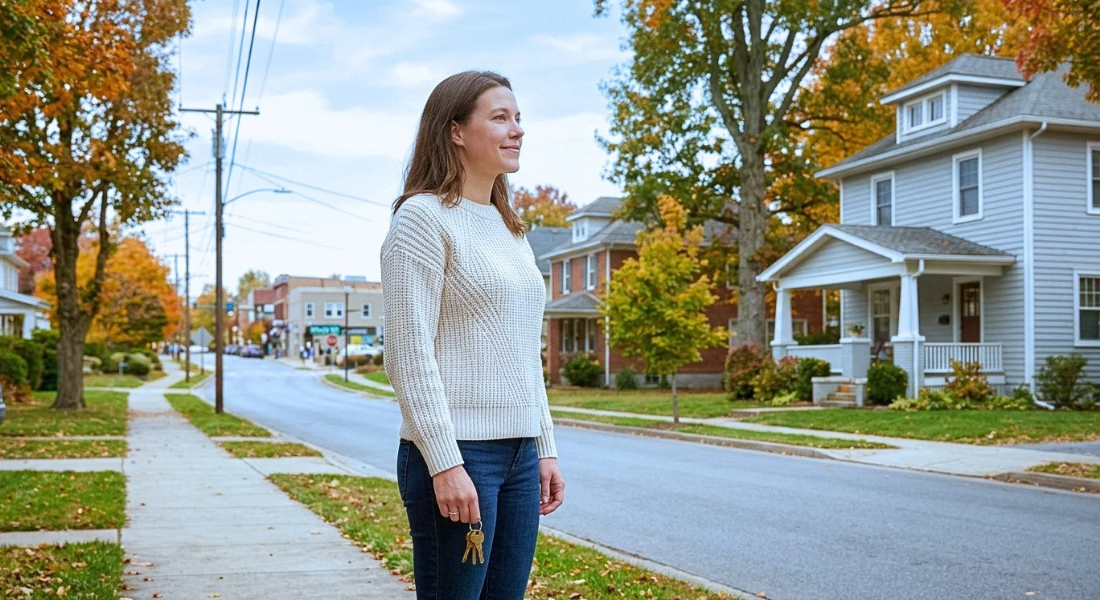
Walkability varies across Blacksburg, particularly around downtown and Virginia Tech. Pedestrian infrastructure improvements are also changing connections between residential areas, campus, and local amenities. As these areas become easier to navigate on foot, buyers may place greater value on location and convenience.
For buyers, that raises questions about whether walkability justifies a higher price or a smaller home. Homeowners may also wonder whether nearby improvements could affect future demand and property values. Looking at local housing data and walkability trends can provide some useful context.
NRV Market Snapshot
As of August 2026, Blacksburg’s median sale price was $496,671, up 12.9% from the same period last year. Homes spent a median of 23 days on the market. With home values rising, proximity to downtown, Virginia Tech, shops, and other amenities can matter more to buyers. Walkability can become one factor when buyers compare location and price.
Reading Walk Scores Across Blacksburg
A Walk Score ranges from 0 to 100 and measures how easy it is to complete daily errands on foot. Scores from 70 to 89 are considered Very Walkable, meaning most errands can be accomplished on foot. Blacksburg’s walkability varies by neighborhood, with higher scores in areas such as Bennett Hill-Progress, Downtown Eastside, and University.
A Walk Score can provide a useful starting point, but it does not capture every factor that affects a property’s walkability. Sidewalks, street crossings, traffic, terrain, lighting, and trail connections can all shape the experience. When comparing homes, look at the places you would actually visit. Check the walking route to work, campus, groceries, restaurants, parks, and transit.
Nationally, NAR research shows that many buyers value walkability and are willing to pay more for it. In Blacksburg, walkability is one factor worth considering alongside price, size, and location. A home with a lower Walk Score may still work well if it connects conveniently to the places that matter most to you. Explore more about living in Blacksburg to see how different parts of town offer distinct lifestyle options.
The Infrastructure Shaping Blacksburg’s Walkable Core
Blacksburg has continued investing in pedestrian and bicycle infrastructure. The Huckleberry Trail provides a paved route for pedestrians and cyclists across town. The town has also added or planned sidewalk, trail, streetscape, and pedestrian improvements along several corridors. Recent South Main Street work included new sidewalks, landscaping, lighting, and pedestrian crossing signals.
Blacksburg Transit also supports access between residential areas, downtown, and Virginia Tech. Together, these features help shape how residents can move around without relying entirely on a car. For buyers considering walkability, nearby trails, sidewalks, transit, and amenities can provide useful context when comparing properties.
The Walkability and Square Footage Tradeoff
Walkable homes closer to downtown often come with smaller lots and less square footage. Homes farther from the core may offer more space, sometimes at a lower price. The tradeoff depends on what matters most to you.
If you work at Virginia Tech or Carilion, a walkable location could reduce daily driving time and transportation costs. A shorter commute on foot may make a smaller yard easier to accept. For families with young children, more indoor and outdoor space may outweigh the convenience of nearby restaurants and shops.
Putting Location Into Perspective
If you are buying in Blacksburg, use walkability as one factor when comparing homes. Tools such as Walk Score can help you compare neighborhoods before scheduling showings. Consider how much of your daily routine could shift to walking or biking, along with the home’s price, size, and other features.
If you are selling a home in a walkable part of Blacksburg, highlight nearby amenities in your listing. Mention proximity to the Huckleberry Trail, downtown shops, campus, and transit stops. These details can help buyers understand the location’s everyday convenience.
Blacksburg Walkability Questions Worth Asking
What is a good Walk Score for a home in Blacksburg, VA?
Walk Score rates 70 to 89 as “Very Walkable,” meaning most errands can be accomplished on foot. Blacksburg’s scores vary by neighborhood, with Bennett Hill-Progress at 79, Downtown Eastside at 69, and University at 61.
Do walkable homes in Blacksburg cost more than similar homes in less walkable areas?
Walkability can be one factor buyers consider when comparing homes. Price also depends on factors such as square footage, lot size, condition, location, and other property features. Buyers should compare similar homes rather than assume a specific price premium for walkability.
Is walkability important for home resale value in the New River Valley?
Walkability can broaden the appeal of a home, particularly for buyers who value convenient access to downtown, Virginia Tech, shops, and other amenities. However, resale value also depends on the property’s condition, location, size, price, and broader market conditions.
Which Blacksburg neighborhoods have the highest Walk Scores?
Walk Score varies considerably across Blacksburg. Bennett Hill-Progress currently has a score of 79, while Downtown Eastside scores 69 and University scores 61. Buyers should check the current Walk Score for a specific property rather than assume an area has the same score.
Put Walkability in Perspective
The Louise Baker Team works with buyers throughout Blacksburg and surrounding communities. If walkability matters to you, we can help you compare homes based on location, price, size, nearby amenities, and other factors.
Contact us to talk through your Blacksburg home search or explore current listings to see what is available in walkable areas. A thoughtful comparison can help you find a home that works for both your daily routine and your budget.