Every Question to Ask Before Buying a Well and Septic Home
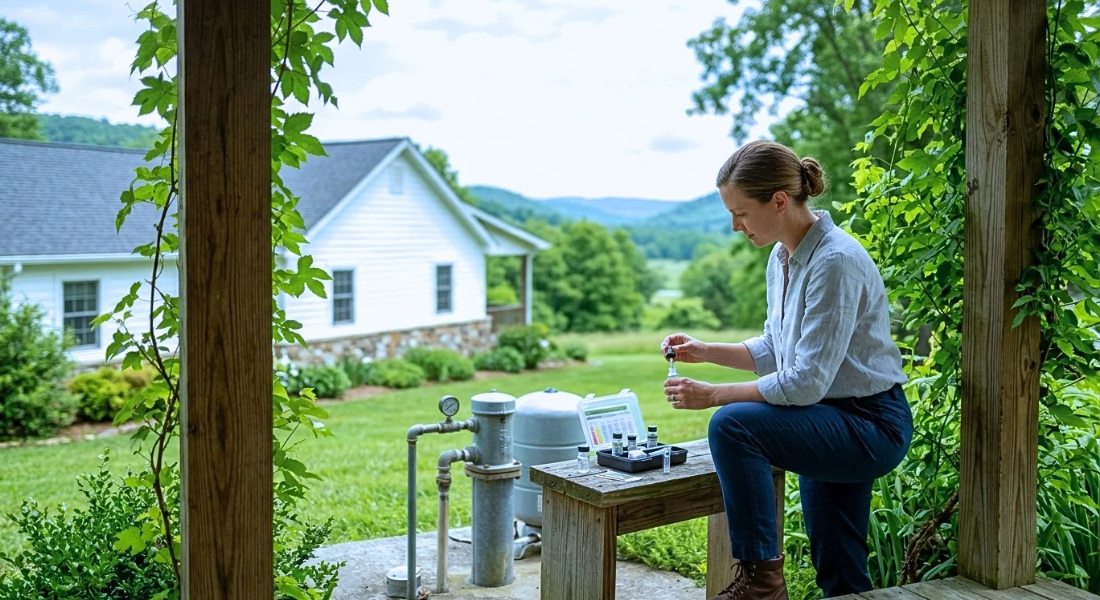
If you’ve been browsing listings in Floyd County, Giles County, or outer Montgomery County, you’ve probably noticed this. Many acreage homes aren’t connected to public water or sewer. Instead, they rely on private wells and septic systems.
Buyers who haven’t owned this type of home before often have questions. A well delivers your drinking water, while a septic system processes your wastewater. Both require specific inspections, testing, and ongoing maintenance that differ from what you’d expect in town.
Whether you’re eyeing a homestead near Floyd or a wooded lot outside Pearisburg, this information can help you avoid surprises after closing.
NRV Market Snapshot
Floyd County’s housing market recorded a median sale price of $426,572 over the three months ending August 2026. Homes sold in a median of 23 days, down from 51 days a year earlier. For buyers considering rural Floyd County properties, those market conditions make property-specific due diligence especially important.
Well Water Tests That Matter
Your well is your sole source of drinking water. Unlike municipal systems, nobody monitors it for you. That makes pre-purchase water testing an important step for buyers considering a rural NRV home.
Request a water quality test before closing. This should cover bacteria like E. coli and coliform, plus common concerns like iron, manganese, pH, hardness, and nitrates. A water test can help identify whether you’ll need a filtration or treatment system. The Virginia Cooperative Extension offers affordable water testing through its Virginia Household Water Quality Program.
Beyond water quality, ask about the well itself. Key questions include:
- How deep is the well?
- What is the flow rate in gallons per minute?
- Is the well’s yield adequate for the household?
- Is additional storage needed?
- When was the well pump last replaced?
- Is there a well log on file?
The well log can provide information about the well’s depth, construction, and yield. Well records are primarily maintained by your local Virginia Department of Health (VDH) office.
Septic System Issues Worth Catching Early
A septic system handles all the wastewater from your home. It includes a tank, a drain field, and the connecting pipes. A well-maintained septic system can last about 30 years, although lifespan varies by system and maintenance. When neglected, repairs can cost thousands.
Before you buy, have the septic system inspected by a licensed professional. This isn’t the same as a general home inspection. A septic professional can locate the tank, assess its condition, and evaluate the system’s components and drain field. They’ll look for signs of failure like pooling water, slow drainage, or strong odors near the drain field. Virginia does not generally require a septic tank to be pumped before a property sale. Ask whether the tank should be pumped before the inspection. If pumping is recommended, it can give the inspector better access to the tank’s interior and components.
Ask the seller for maintenance records. Key questions include:
- When was the tank last pumped?
- Has the system ever been repaired or replaced?
- Are there records of previous inspections or maintenance?
If there are no records, ask the inspector to investigate the system’s condition and history. Also confirm that the septic system’s permitted capacity matches the home’s current bedroom count. If the home has more bedrooms than the system was designed to accommodate, an expansion or other approval may be required.
Due Diligence Details Worth Checking
Here are key questions to cover during due diligence.
- Is there a water treatment system, and is it owned or leased?
- Is the septic system conventional or alternative, such as an aerobic unit?
- Where is the drain field located?
- Is a designated repair area shown on the septic permit?
- Are there records of septic repairs, inspections, or permits?
- Has the local health department documented any issues with the septic system?
- Are there shared well agreements, easements, or other agreements affecting the water or septic system?
Your real estate agent can help you request these answers during the due diligence period. A few direct questions now can help prevent expensive problems after you move in.
The Maintenance That Comes After Closing
Owning a well and septic home means taking on more maintenance than you would in town. The routine is manageable once you understand what the systems need.
Plan to have your septic tank pumped every three to five years, depending on household size and system use. Avoid flushing anything other than human waste and toilet paper. Keep grease, harsh chemicals, and excess water out of the system when possible. Keep vehicles and structures off the drain field, and keep trees away from the area.
For your well, annual testing for bacteria and nitrates is recommended. Test sooner if the water’s taste, odor, or appearance changes or if the well is affected by flooding. Regularly check the well cap and keep potential contaminants away from the wellhead.
Both systems can eventually require major repairs or replacement. Setting aside money for unexpected maintenance can help you handle those costs without a major financial surprise.
Practical Questions Before You Buy
How much does a well water test cost in Virginia?
Testing costs vary depending on the laboratory and the contaminants being tested. The Virginia Household Water Quality Program offers low-cost testing through drinking water clinics in participating Virginia communities.
Can I get a mortgage on a home with a septic system?
Yes. Homes with private septic systems can qualify for conventional, FHA, and VA financing, provided the property and system meet the applicable requirements. Lenders may require inspections, water testing, or documentation of the system’s condition. Ask your loan officer about requirements early in the process.
What happens if the septic inspection reveals a problem?
The next steps depend on the type and severity of the problem. You may negotiate repairs, request a credit or price adjustment, or reconsider the purchase based on the findings. Your agent and a qualified septic professional can help you understand the available options and potential costs.
Do I need a permit to replace a well pump in Virginia?
Permit requirements depend on the work being performed. Some maintenance and replacement work may not require a construction permit, while new wells and certain modifications do. Check with the Virginia Department of Health or a qualified well contractor before starting work.
Know What You’re Buying Before You Make an Offer
A rural home can offer space, privacy, and a different pace of life. It can also come with wells, septic systems, maintenance needs, and costs that deserve a closer look before you buy.
If you’re considering a home in Floyd, Giles, Montgomery County, or surrounding NRV communities, contact the Louise Baker Team. We can help you navigate the questions that come with buying a home with a private well and septic system.